Industrial-grade commercial electrical installation is a specialized discipline that goes far beyond standard wiring and fixture placement. In manufacturing plants, distribution centers, processing facilities, and large-scale commercial buildings, electrical systems must support high-voltage equipment, continuous operations, and heavy power demands without compromise. The margin for error is extremely small. A poorly executed installation can lead to operational downtime, equipment damage, regulatory penalties, or severe safety hazards. For business owners, facility managers, and project stakeholders, understanding the safety and performance standards that govern industrial-grade electrical installation is essential for long-term operational success.
At its core, industrial-grade Commercial Electrical Installation is about building resilient infrastructure. Unlike light commercial projects, industrial systems often involve three-phase power distribution, complex control panels, motor control centers, transformers, backup power systems, and integrated automation networks. These components must operate cohesively under significant electrical loads. The design process begins with a detailed load calculation to determine anticipated power requirements, peak demand cycles, and expansion potential. Proper sizing of conductors, switchgear, and panels ensures that the system performs efficiently without overheating or experiencing voltage instability.
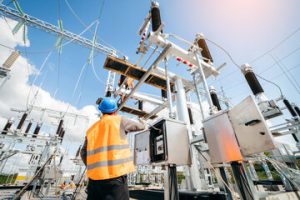
Safety is the foundation of any industrial electrical installation. High-energy systems introduce serious risks, including arc flash incidents, ground faults, and equipment failure. To mitigate these dangers, installations must comply with strict electrical codes and industry safety standards. Protective devices such as circuit breakers, fuses, and relays are selected based on calculated fault currents and load characteristics. Proper grounding and bonding techniques reduce the risk of electric shock and equipment damage. These safeguards are not optional enhancements; they are integral components of a compliant and secure installation.
Performance standards in industrial-grade commercial electrical installation revolve around reliability, scalability, and efficiency. Industrial facilities often operate on tight production schedules where even brief power interruptions can lead to substantial financial losses. Electrical systems must therefore be engineered for continuous duty cycles and redundancy where necessary. Backup generators, automatic transfer switches, and uninterruptible power supply systems are commonly integrated to maintain essential operations during outages. The goal is to ensure that critical equipment remains operational even when the primary power source fails.
One of the defining characteristics of industrial installations is load diversity. Unlike smaller commercial properties, industrial facilities frequently operate large motors, heating systems, compressors, and automated production lines simultaneously. These loads generate high inrush currents that must be accommodated without causing voltage drops or nuisance tripping. Electrical engineers and installation professionals analyze load sequencing to distribute demand evenly across circuits. By balancing phases and optimizing panel layouts, they enhance both safety and operational efficiency.
Two primary pillars support industrial-grade electrical performance:
- Robust system design that anticipates peak loads, environmental stressors, and future expansion.
- Precision installation practices that ensure secure connections, accurate terminations, and compliance with technical specifications.
Neglecting either pillar compromises system integrity. Even the most sophisticated design will fail if installation workmanship does not meet professional standards.
Environmental conditions also play a significant role in industrial electrical installations. Facilities may be exposed to moisture, dust, corrosive chemicals, vibration, or extreme temperatures. Electrical enclosures, conduits, and cable insulation must be selected to withstand these conditions without degradation. Weatherproof and corrosion-resistant materials protect sensitive components and extend equipment lifespan. In environments where explosive gases or combustible dust are present, specialized explosion-proof equipment and wiring methods are required to prevent ignition risks.
Industrial-grade commercial electrical installation also demands advanced control systems integration. Modern facilities rely heavily on programmable logic controllers, sensors, and automated monitoring systems to optimize production processes. Electrical installations must accommodate both power distribution and data communication pathways. Proper segregation of power and low-voltage control wiring reduces electromagnetic interference and ensures accurate signal transmission. Integration planning ensures that automation systems operate reliably without being disrupted by electrical noise or voltage fluctuations.
Energy efficiency has become a critical performance standard in industrial settings. Rising energy costs and sustainability objectives encourage businesses to invest in optimized electrical infrastructure. High-efficiency transformers, variable frequency drives, and intelligent motor control systems reduce energy consumption without sacrificing output. Electrical installation teams must understand how to configure these systems correctly to maximize performance benefits. Efficient installations not only lower operating expenses but also reduce thermal stress on components, enhancing system longevity.
Maintenance accessibility is another important consideration in industrial electrical design. Panels, switchgear, and control cabinets must be installed with adequate clearance to allow safe servicing. Poor layout decisions can make future repairs more hazardous and time-consuming. Planning for accessibility ensures that maintenance technicians can perform inspections and replacements without disrupting adjacent systems. This foresight reduces downtime and enhances overall safety compliance.
To uphold both safety and performance standards, industrial installations typically incorporate layered protection strategies. These may include:
- Surge protection systems that guard against voltage spikes caused by external grid disturbances or internal switching events.
- Overcurrent protection devices are calibrated to prevent conductor overheating and equipment damage.
- Ground fault detection systems that isolate faults before they escalate into fires or arc flash incidents.
- Thermal monitoring technologies that identify hotspots within panels and switchgear.
These measures create redundancy and minimize the likelihood of catastrophic system failure.
Commissioning and testing represent critical final steps in industrial-grade commercial electrical installation. Before a system becomes fully operational, it must undergo rigorous verification procedures. Insulation resistance testing, load simulations, breaker calibration, and grounding verification confirm that installations meet design specifications. Commissioning documentation provides evidence of compliance and serves as a reference for future maintenance. Skipping thorough testing can leave hidden defects undetected, potentially leading to premature equipment failure.
Worker safety during installation is equally important. Industrial environments present unique hazards, including elevated platforms, confined spaces, and high-energy equipment. Adherence to lockout-tagout procedures prevents accidental energization during installation or maintenance. Personal protective equipment, arc-rated clothing, and insulated tools are essential for minimizing risk. Professional electrical teams are trained to follow stringent safety protocols, ensuring that projects are completed without incident.
Scalability is another defining feature of high-quality industrial installations. Facilities often expand operations, add production lines, or integrate new technologies over time. Electrical systems must be designed with sufficient capacity to accommodate future growth without requiring complete overhauls. This forward-thinking approach includes reserving panel space, oversizing conduits where appropriate, and planning for additional transformer capacity. Scalability reduces long-term capital expenditures and simplifies expansion projects.
Regulatory compliance remains central to industrial electrical work. Electrical codes establish minimum safety standards, but many industries impose additional requirements related to equipment classification, environmental protection, and operational reliability. Meeting these standards is not merely a matter of passing inspections; it is essential for maintaining operational licenses and insurance coverage. Thorough documentation of installation practices, testing results, and equipment specifications supports compliance efforts and protects organizations from liability.
Industrial-grade commercial electrical installation also influences overall operational performance. Voltage stability, power quality, and harmonics control directly affect machinery efficiency and product consistency. Poor power quality can lead to overheating motors, malfunctioning controls, and increased maintenance costs. Installation strategies that include harmonic filters and balanced phase distribution help maintain stable power delivery. By prioritizing power quality during installation, businesses reduce equipment wear and enhance productivity.
Communication between project stakeholders plays a crucial role in achieving installation excellence. Engineers, contractors, safety officers, and facility managers must collaborate closely to ensure alignment with performance objectives. Clear documentation of load requirements, environmental conditions, and safety expectations prevents misunderstandings that could compromise system integrity. Effective project management ensures that installations are completed on schedule without sacrificing quality or compliance.
Ultimately, industrial-grade commercial electrical installation represents a significant investment in infrastructure resilience. Businesses that prioritize safety and performance standards during installation benefit from reduced downtime, lower maintenance costs, and improved operational efficiency. Electrical systems become strategic assets rather than potential liabilities. When designed and installed correctly, they support continuous operations, protect personnel, and provide a stable foundation for technological advancement.
In conclusion, industrial-grade commercial electrical installation demands meticulous planning, strict adherence to safety standards, and a commitment to performance optimization. From load calculations and protective device selection to environmental resilience and system commissioning, every phase contributes to the reliability of the final installation. By focusing on safety, scalability, and efficiency, businesses create electrical infrastructures capable of supporting demanding industrial operations. A well-executed installation not only meets current operational needs but also positions organizations for sustainable growth and long-term success.